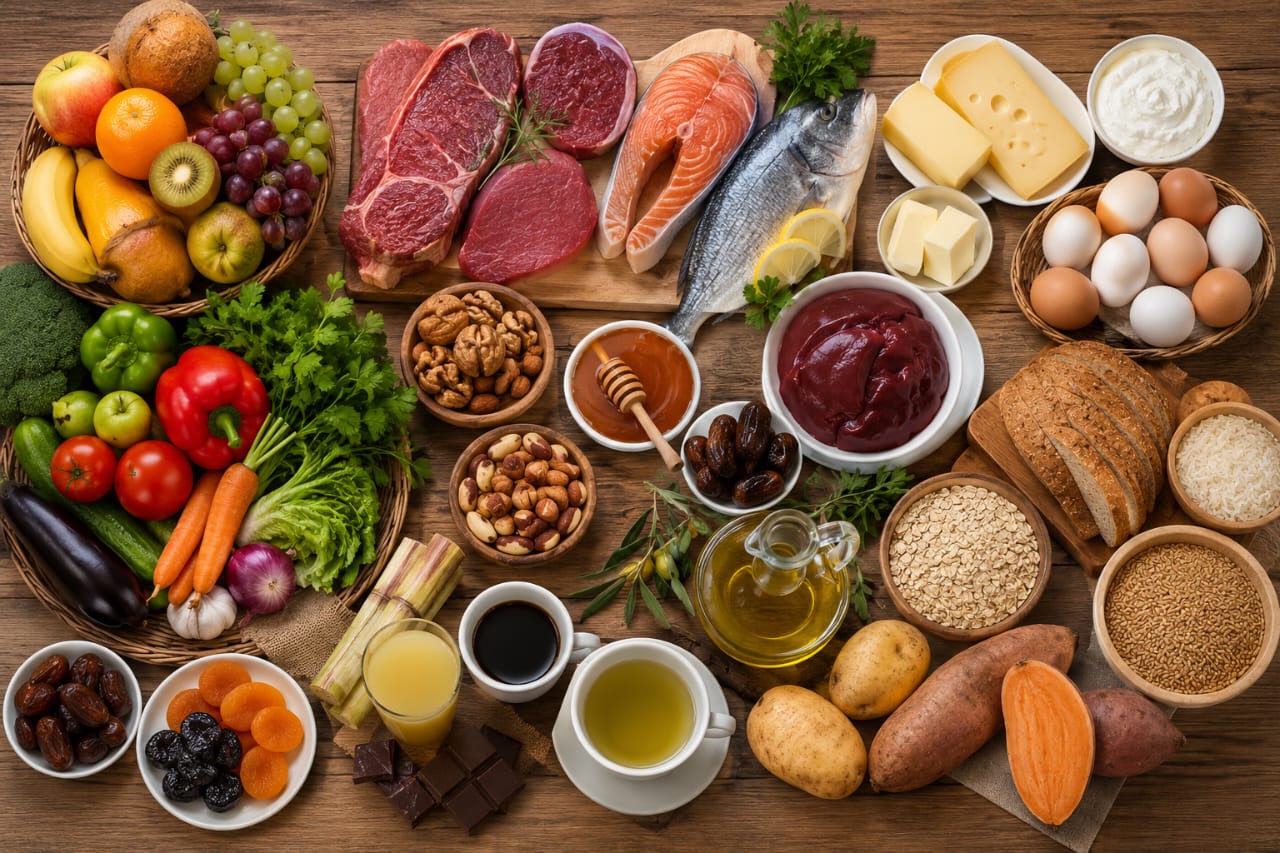
The Comprehensive Reference to the Tayyibat System: Nutritional Foundations and Permitted and Prohibited Foods
The Tayyibat system, as presented by Dr. Diaa Al-Awady, is based on a fundamental idea that human health is directly linked to the quality of the food consumed.
The system’s author believes that the human body benefits more from natural and simple foods, while other foods cause strain on the digestive system and negatively affect various bodily functions.
The system is not limited to weight loss only, but is presented as a dietary approach aimed at improving general health, enhancing activity and vitality, improving digestion, helping maintain a suitable weight, and strengthening immunity through the reliance on specific foods and the exclusion of others.
“Tayyibat” according to this system refers to foods that Dr. Diaa Al-Awady considers suitable for the nature of the body and more beneficial to it.
These foods include natural, unprocessed or minimally processed foods, which are believed to help the body perform its functions more effectively.
The system focuses on a simple principle: choosing food that is closest to its original natural form, and avoiding as much as possible industrial products, additives, and foods that have undergone multiple processing stages.
The foundations of the system
The Tayyibat system relies on a set of main foundations, including:
First: reliance on natural food
• The system emphasizes the importance of consuming natural foods such as red meat, permitted fish, some types of fruits, natural honey, and natural oils, while reducing processed foods.
Second: avoiding processed foods
• The system considers that heavily processed food products may contain additives and substances that negatively affect the body, therefore it calls for limiting or avoiding their consumption.
Third: focusing on food quality
• The system does not focus only on the quantity of food, but gives great importance to its quality, type, source, and method of preparation.
Fourth: regulating the relationship with food
• The system does not impose a fixed number of daily meals, but calls for eating when real hunger is felt and drinking when thirst is felt, while listening to the body’s natural needs.
The stated objectives of the system
According to the information provided, the system aims to achieve a set of health outcomes, including:
• Improving digestion
• Reducing feelings of lethargy and fatigue
• Enhancing energy and activity
• Helping regulate weight
• Supporting the immune system
• Encouraging a return to natural food
The system also emphasizes that maintaining appropriate quantities is a key factor in its success, and that overeating may lead to negative results even if the food is from permitted categories.
General overview of foods
The system divides foods into two main categories:
Permitted foods (allowed foods)
• foods that the system considers suitable and can be relied upon within the dietary program, such as some types of red meat, some fish, specific types of fruits, natural honey, rice, olive oil, nuts, and others.
Prohibited foods
• foods that the system recommends avoiding, and include multiple items such as poultry, eggs, dairy and its derivatives, white flour, bread and pastries, soft drinks, and a number of other foods that will be detailed in later chapters.
First: permitted proteins
Proteins occupy a fundamental place in the Tayyibat system, because they contribute to building the body, maintaining muscle mass, and promoting satiety for longer periods.
Among the most important permitted protein sources:
• all types of red meat
• liver in all its forms
• pigeon
• quail
• permitted grilled fish
• trotters and oxtail
• head meat and soup
• processed cheeses
• some types of cheese such as cheddar, gouda, and flamenk
• cream
• butter
• natural animal fats
The system considers these foods important sources of nutrients and can be relied upon within the dietary program.
Second: permitted fruits
The system allows a number of fruits that it considers suitable within the dietary program, including:
• dates
• grapes
• bananas
• figs
• peaches
• apricots
• prunes
• plums
• seedless guava
• apples without peel
• pears without peel
It also allows some fruit juices provided they are strained, such as:
• grape juice
• pomegranate juice
The system emphasizes respecting quantities and avoiding excessive consumption of fruits, even if they are among the permitted types.
Third: permitted carbohydrates
The system does not prohibit all carbohydrates, but allows some types that it considers suitable, the most important of which are:
• rice
• potatoes
• sweet potatoes
• whole grain bread
The system also states that rice and potatoes are among the items that can be consumed daily according to specific guidelines.
Fourth: natural fats
The Tayyibat system gives importance to natural fats and considers them part of the allowed diet. Among the most important of these fats:
• olive oil
• natural butter
• original local ghee
• natural animal fats
The system emphasizes preferring natural fats over processed or hydrogenated oils.
Fifth: nuts
The system allows a number of nuts that are considered a good source of fats and nutrients, including:
• almonds
• hazelnuts
• walnuts
• Brazil nuts
However, the system recommends consuming them in moderation and not exaggerating quantities.
Sixth: permitted beverages and additions
Among the beverages and additions allowed by the system:
• water
• coffee
• green tea
• natural honey
• sugar
• sugarcane juice in moderation
It also allows some products in very small quantities such as:
• dark chocolate
• Nutella
The system considers moderation to be a key factor even in permitted foods and drinks.
Seventh: some permitted vegetables
The system mentions a group of vegetables that are allowed in moderation, including:
• okra
• eggplant
• mushrooms
• black and green olives
• lemon in small quantities
These items are included in the diet according to the quantities specified for each person.
The importance of variety among permitted foods
The Tayyibat system does not encourage relying on a single food item permanently, but calls for variety among permitted foods. Variety helps obtain different nutrients and makes the system more balanced and sustainable. It also indicates the need to change food sources and avoid repeating the same meals continuously.
It becomes clear that the permitted foods in the Tayyibat system are mainly based on red meat and some fish, specific types of fruits, some carbohydrates, natural fats, and nuts, with an emphasis on moderation in quantities and diversity in food choices.
This aspect is considered the main foundation on which the system relies before moving on to studying the list of prohibited foods and the reasons for excluding them from the dietary program.
Prohibited foods in the Tayyibat system
The topic of prohibited foods occupies a central place in the Tayyibat system, because Dr. Diaa Al-Awady believes that achieving the desired results of the system does not depend only on consuming permitted foods, but also requires avoiding a group of foods that he considers unsuitable for the body’s nature or that may negatively affect digestion and nutritional absorption.
For this reason, the system has allocated a broad list of prohibited foods that includes different categories of proteins, dairy products, grains, beverages, vegetables, and fruits.
First: prohibited proteins
The Tayyibat system prohibits a number of animal protein sources, the most notable of which are:
• chicken in all its forms
• duck
• goose
• turkey
• riyan
• sea pigeon
• eggs in all forms (boiled or fried)
• shrimp
• squid
• calamari
The system considers that these items do not fall within the preferred protein list in the dietary program.
Second: dairy products and derivatives
Dairy is one of the most heavily restricted food groups in the system, where the prohibitions include:
• milk
• yogurt
• curd
• white cheese
• cottage cheese
• cream cheese
• salty cheese
• halloumi
• powdered milk
• condensed milk
• Chantilly cream
The system considers that these products are not compatible with its adopted dietary principles.
Third: grains, flour, and baked goods
The system strongly emphasizes avoiding products made from white flour, including:
• white bread
• Syrian bread
• fino bread
• croissant
• breaded items
• rusk
• salyzon
• pizza
• pizza dough
• pasta
• macaroni
• lasagna
• raqaq
• feteer
• cakes
• biscuits
• oats
• all wheat and white flour products
The system considers these items among the foods that should be avoided during the application of the program.
Fourth: sweets and sugary baked goods
The prohibition also includes many Eastern and Western desserts, such as:
• kunafa
• qatayef
• balah el sham
• aish el saraya
• ghorayba
• petit four
• kahk
• various sweets made from white flour
The system focuses on reducing reliance on manufactured sweets of any kind
Fifth: prohibited leafy vegetables
One of the aspects that distinguish this system is that it prohibits some vegetables that are considered healthy foods in other dietary systems, including:
• lettuce
• arugula
• parsley
• coriander
• dill
• radish
• spinach
• molokhia
• celery
It also prohibits all leafy vegetables not mentioned in the permitted list.
Sixth: some prohibited fruits
Although a number of fruits are allowed, the system prohibits some other types, most notably:
• watermelon
• melon
• mango
It also prohibits all fruits not included in the basic permitted list.
Seventh: prohibited beverages
The system prohibits a group of beverages that it considers unsuitable, including:
• soft drinks
• carbonated water
• energy drinks
• black tea
It emphasizes the need to avoid them during the period of adherence to the system.
Eighth: flavorings, spices, and some additives
The prohibited items also include:
• ground spices
• some ready-made sauces
• ketchup
• mayonnaise
• mustard
This is due to their containing added ingredients or manufactured substances that the system does not prefer.
Ninth: some other prohibited foods
The prohibited list also includes:
• French fries
• mashed potatoes with industrial butter
• unstrained tomatoes with skins and seeds
• dark chocolate in large quantities
• packaged industrial products
The system emphasizes the importance of reading food product ingredients and avoiding highly processed foods.
The philosophy of prohibition in the Tayyibat system
Dr. Diaa Al-Awady believes that the aim of these prohibitions is not deprivation, but rather guiding the person toward a dietary pattern based on foods that he considers more suitable for the body.
Therefore, the prohibition list represents an essential part of the system’s philosophy, as its application is not complete by focusing only on permitted foods but also through adherence to the prohibited ones.
It becomes clear that the Tayyibat system relies on a broad list of prohibited foods including poultry, eggs, dairy products, white flour, baked goods, sweets, soft drinks, and some vegetables and fruits.
Dr. Diaa Al-Awady considers that avoiding these items is a fundamental step to achieving the system’s goals, which are improving digestion, increasing activity, and maintaining overall health.