جميع المقالات الطبية
محتوى طبي موثوق يقدمه د. ضياء العوضي بلغة واضحة تساعد القارئ على الفهم واتخاذ قرارات صحية أفضل.

Water Intake in the Tayyibat Diet: Thirst-Based Hydration and Metabolic Water Claims
The Tayyibat Diet allows water only by thirst and claims the body produces water during fasting through metabolic processes like respiration and fat breakdown.
Read ArticleChronic Illness and Nutrition in the Tayyibat Perspective
The Tayyibat approach questions why chronic illness persists despite modern nutrition, linking long-term disease to lifestyle and dietary imbalance.
Read MoreAbstinence Philosophy in the Tayyibat Diet
The Tayyibat Diet promotes avoiding foods believed to cause harm, especially refined white bread, to support digestion and overall health improvement.
Read MoreHow to identify what is beneficial and what is harmful?
The Tayyibat approach suggests that digestive reactions like bloating or cramps can help individuals identify which foods suit or harm their bodies.
Read MoreGrains Allowed in the Tayyibat Diet
The Tayyibat Diet allows rice, wheat and corn, viewing natural grains as superior to processed foods like pasta and other industrial carbohydrates.
Read MoreLeafy Vegetables in the Tayyibat Diet
The Tayyibat Diet prohibits leafy vegetables like lettuce and cabbage, considering them difficult to digest and potentially harmful to colon movement.
Read MoreFish, Seafood, and Meat in the Tayyibat Diet
The Tayyibat Diet ranks fish and meats by digestibility, favoring soft, easy-to-chew foods while restricting seafood, mullet and tougher meats.
Read MoreTimeframe for Improvement in the Tayyibat Diet
Dr. El-Awady claims digestive issues may improve within days on the Tayyibat Diet, while fatty liver and chronic pain may require weeks or months.
Read More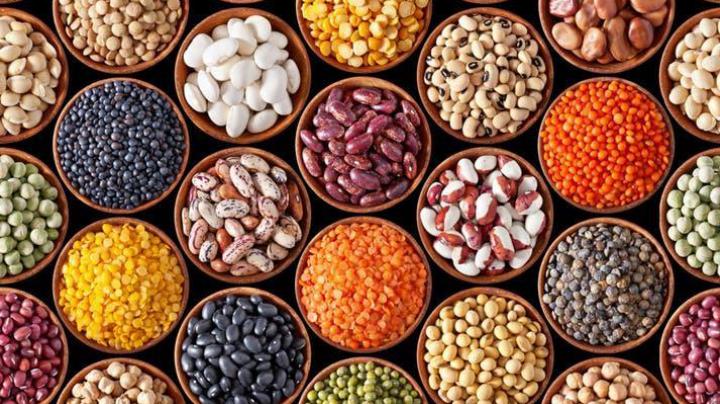
Reason for Prohibiting Legumes in the Tayyibat Diet
In the Tayyibat Diet, legumes are restricted because they are believed to trigger digestive stress, fatigue and, in some cases, red blood cell damage.
Read More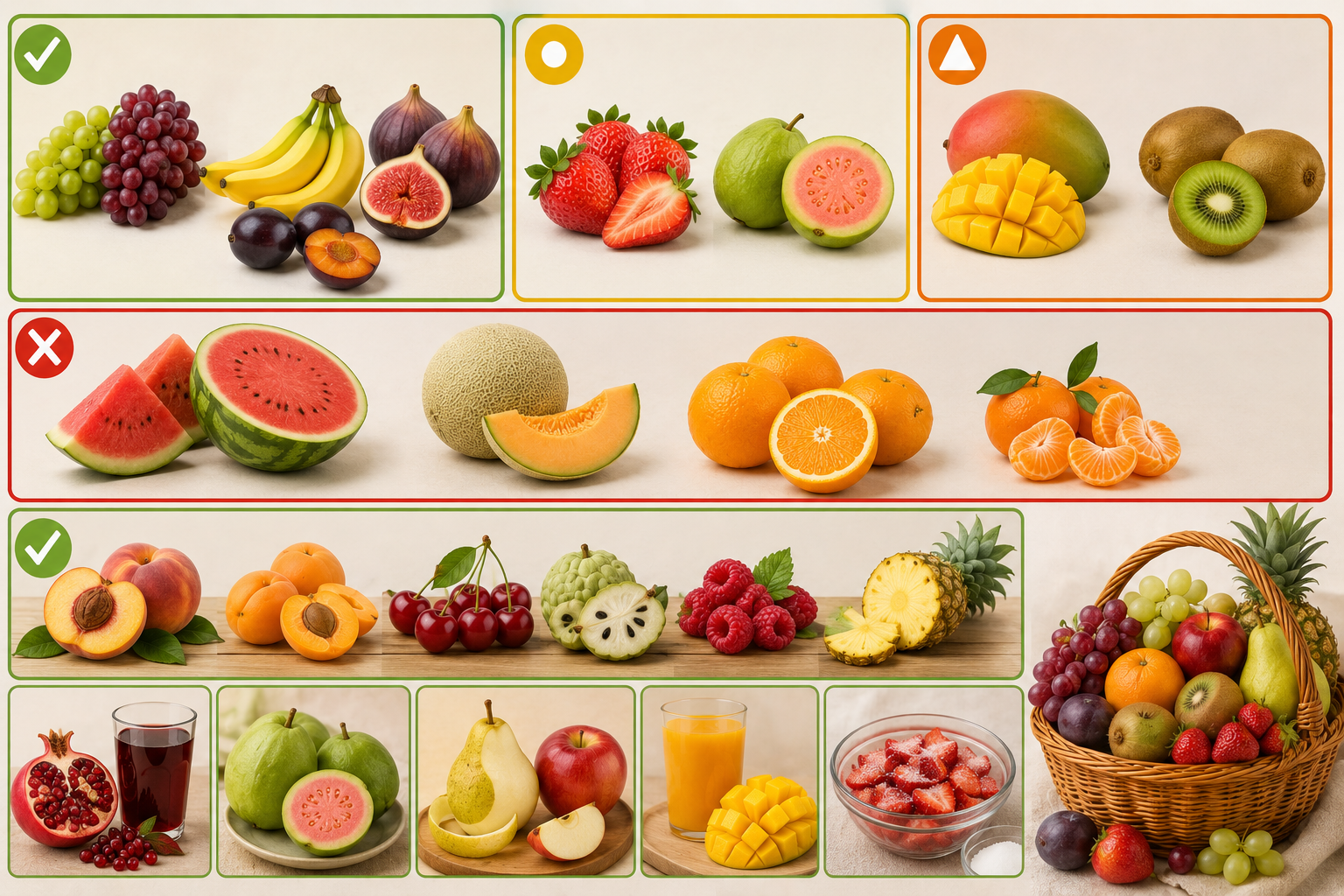
Fruits in the Tayyibat Diet
Diaa El-Awady classifies fruits into allowed, limited, and prohibited categories, with special preparation rules for some fruits.
Read More